How to get more reviews (and what to do about bad ones)
· 5 min read
Reviews do two jobs at once. They help you show up higher on Google, and they convince the people who find you to actually pick you. Someone comparing three businesses will almost always go with the one that has more reviews, better ratings, and recent activity. So getting reviews is one of the highest-payoff things a local business can do.
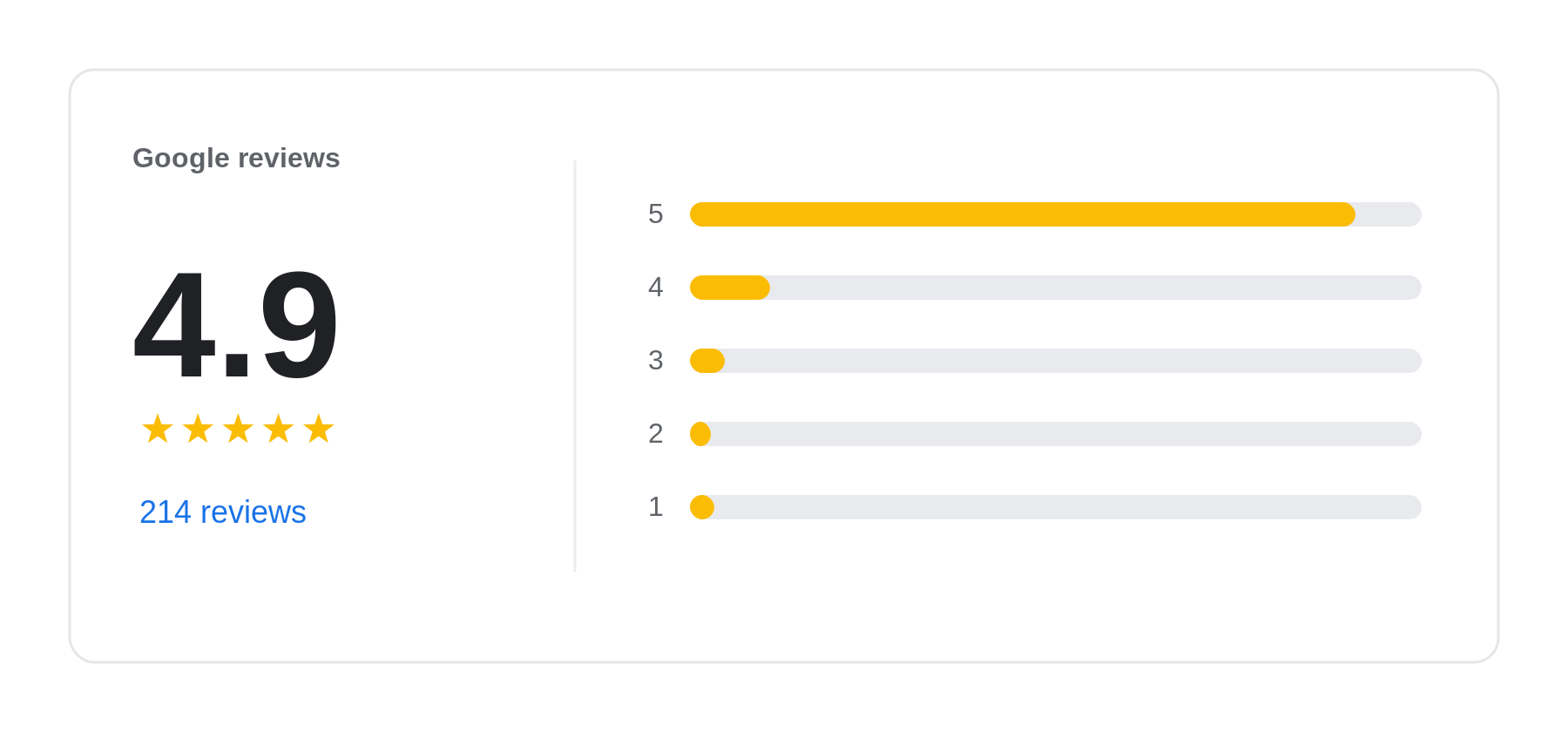
The good news is that most happy customers are willing to leave one. They just never get asked, or asking is made too hard. Fix those two things and the reviews start coming.
1. Just ask
This is the whole game. The single most reliable way to get reviews is to ask happy customers, out loud, right after you have done good work for them.
A few things make a big difference:
- Ask at the high point. Right after the job is done, the problem is solved, or the customer says thank you. That is when they feel the best about you.
- Ask in person when you can. A real "would you mind leaving us a quick review?" works far better than hoping they do it on their own.
- Make it a habit, not a one-off. Build the ask into your normal routine so every satisfied customer gets the chance, not just the ones you happen to remember.
Most people say yes. They just need a nudge and an easy way to do it.
2. Make it stupidly easy
Every extra step loses people. Someone who would happily leave a review will give up if they have to search for your business, find the right page, and figure out where to click.
So remove the steps:
- Use a direct link. Google gives every business a short "review us" link that opens straight to the review box. Send that, not your homepage.
- Send it where they already are. A quick text message gets opened and acted on far more than an email. A follow-up email works too. Use both if you can.
- Put it on everything. Add the link to your receipts, invoices, email signature, and thank-you page. A QR code on a counter card or work van lets people scan and review on the spot.
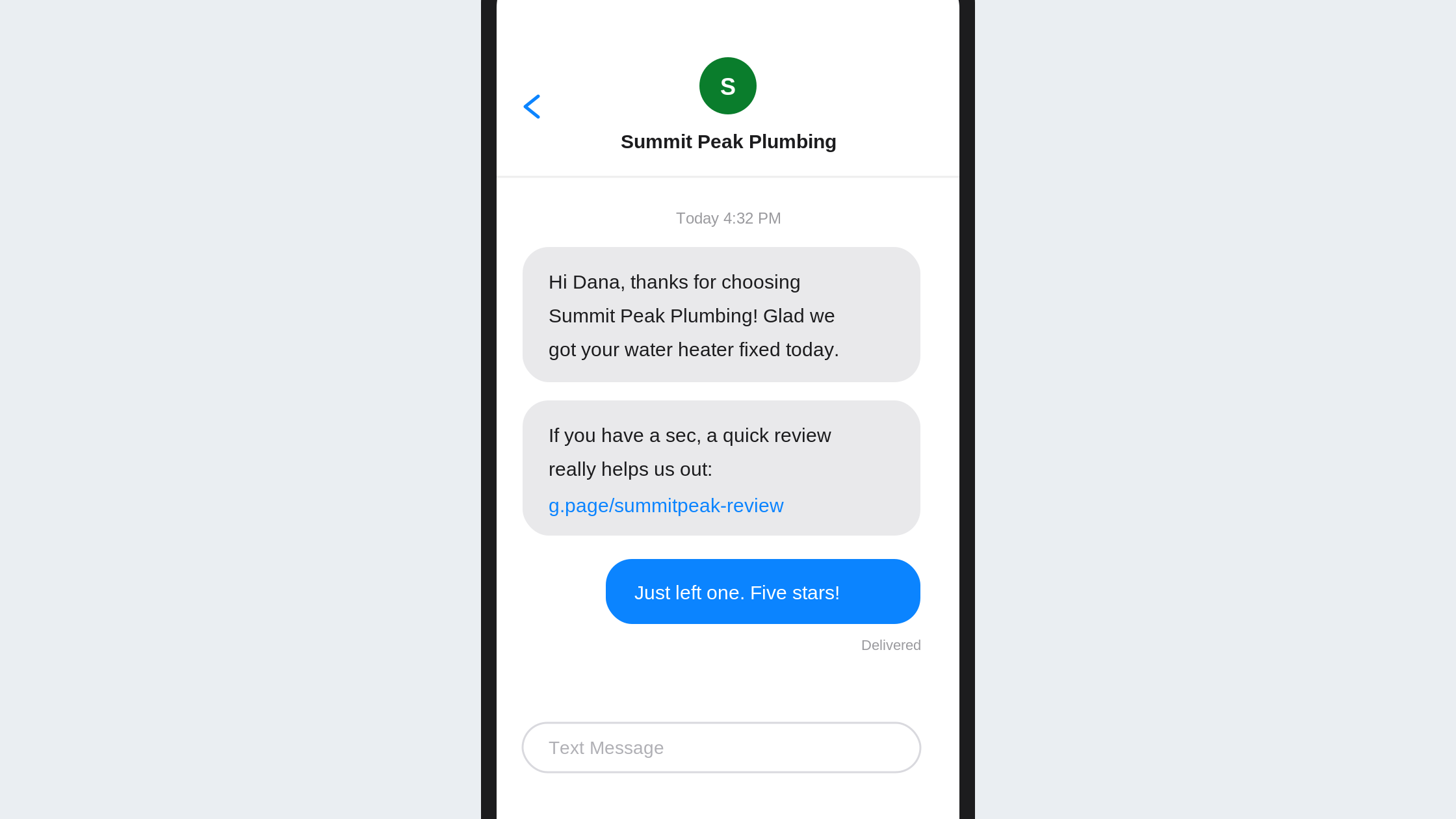
The rule of thumb: if leaving a review takes more than a few taps, you will lose a chunk of the people who meant to.
3. Keep them coming
A steady trickle of recent reviews beats a big burst followed by silence. Google and customers both pay attention to how fresh your reviews are. Twenty reviews from three years ago look worse than a handful from the last few months.
So treat reviews as an ongoing habit rather than a one-time campaign. Ask every week, from every happy customer, and the count keeps climbing on its own. The businesses that win on reviews are not the ones who ran a big push once. They are the ones who never stopped asking.
4. Respond to every review
Replying to reviews shows future customers that you are paying attention, and it signals to Google that your profile is active.
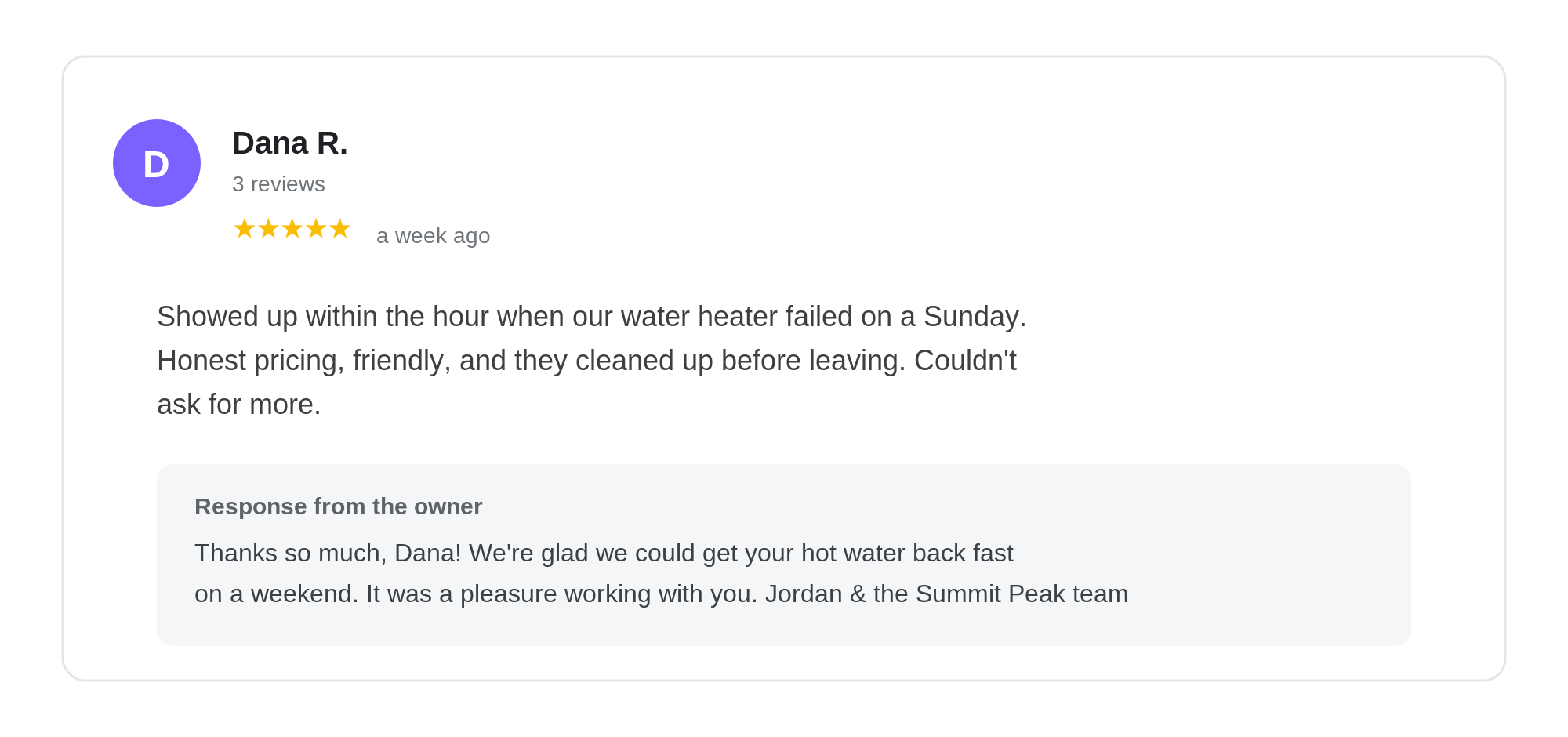
For positive reviews, keep it short and warm. Thank them by name, mention something specific if you can, and leave it there. It takes ten seconds and it makes the next reader trust you more.
Responding matters even more for the bad ones, which is worth its own section.
5. Handle bad reviews without making it worse
You will get a bad review eventually. Everyone does. A single critical review among a pile of good ones actually makes the good ones look more believable, so it is not the disaster it feels like.
What matters is how you respond, because everyone else can see it. Here is a calm approach that works:
- Wait until you are not annoyed. Never fire back while you are still irritated. Give it an hour, or a day.
- Stay polite and take it seriously. Thank them for the feedback, apologize for the experience, and avoid getting defensive or arguing the details in public.
- Move it offline. Offer a way to make it right and invite them to contact you directly, for example "please give us a call so we can fix this." This shows future readers you care, and it moves the argument out of public view.
- Fix the actual problem if there is one. The best response to a pattern of complaints is to solve what caused them.
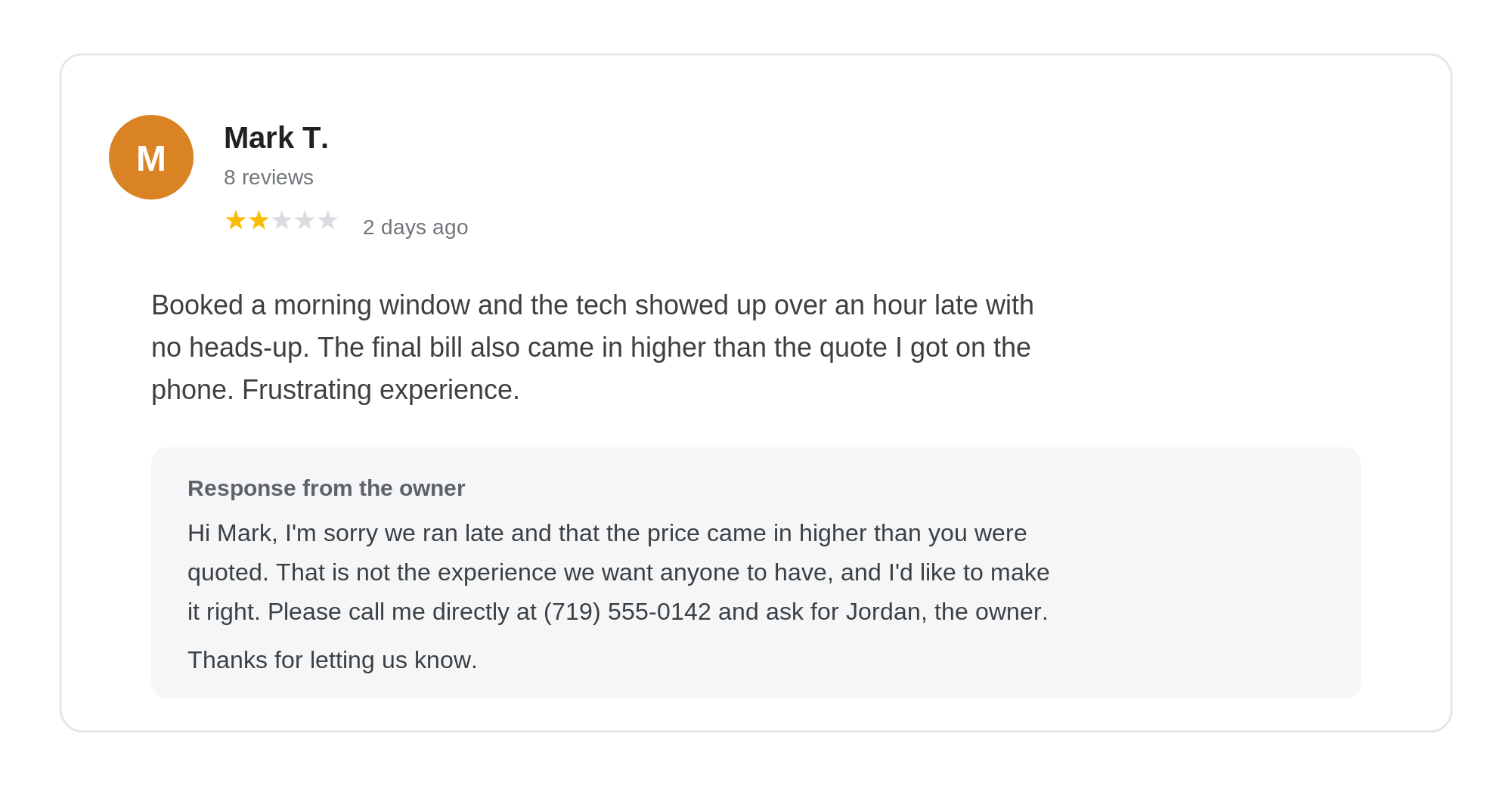
You are not really writing for the angry customer. You are writing for the next hundred people who will read that exchange while deciding whether to trust you.
What not to do
A few shortcuts can get your reviews wiped out or your profile penalized, so avoid them:
- Do not buy fake reviews or write them yourself. They are against the rules on Google and Yelp, they get detected, and they can get your listing penalized.
- Do not offer payment or discounts in exchange for reviews. Paying for reviews violates the guidelines on most platforms. You can ask for honest feedback, but you cannot buy it.
Real reviews, asked for the right way, are the only ones worth having anyway.
How it all fits together
The pattern is simple. Ask every happy customer, make it take just a few taps, do it every week instead of once, and reply to what comes in. The asking grows your count, the easy link turns intentions into actual reviews, the consistency keeps them fresh, and your responses make the whole thing look trustworthy to the next person reading.
If you only do five things
- Ask every happy customer, right after you have done good work.
- Send a direct review link by text, so leaving one takes seconds.
- Make asking a weekly habit instead of a one-time push.
- Reply to every review, good and bad.
- Never buy, fake, or pay for reviews.
That is how you build a steady stream of reviews. It is less about clever tricks and more about asking happy people, making it easy, and never stopping.
Reviews are simple to understand but easy to let slide when you are busy running the business. Setting up the links, automating the asks, and keeping up with responses month after month is real ongoing work.
Mainsplash can do all of this for you.
Get a free 1-page marketing plan to see how we can help your business grow.